Attempting to grow food and flowers in remote northern Alberta has been a challenge. I’m still not producing everything I’d like to but each year I’m learning, incorporating and improving.
Growing up in the lower 48 and overseas, I’ve never lived in a place so impossible to growing basically anything.
In Texas and Oklahoma, my mom grew hot peppers, water melon amd roses with ease. In Ohio we had strawberries, carrots, cucumbers and loads of beautiful flowers. In the U.K. we had lush creeping vines on our stone house and bushy roses.
Here in northern Alberta, I thought I would simply incorporate the things I remember watching my mom do. Till, fertilize, plant, thin, water, add more plants. It did not work. We could not just til into the soil, we could not just plant a seed and we could not simply use our high sodium well water to water.
I had to figure out a way to grow in a harsh cold climate that is also dry, hot and arid in the summer with no water source.
I haven’t fully figured it out, but I have incorporated some methods that I’m slowly seeing fruition in.
Always add, never take away: because our climate is so dry, our soil lacks a good rich life of bacteria and moisture. The top layers of soil are baked dead in the sun. I’m slowly fixing this by adding.
Further, adding what I have.
I’m too remote for services like Chip Drop and we live on a small income. I don’t have access to mulch or a wood chipper, we are still developing our raw land as we can afford to clear and level more. This slowly gives me material to work with, so I wait and use what each year offers.
A few years ago we needed to get rid of the tinder dry slash piles around our house from when we cleared our land and built our house. Wildfires are a big problem so we are trying our best to get rid of places that could become an issue in our woods. Obviously if it’s a huge fire, there’s nothing we can do. But sometimes we have small ones pop up in our community that go unnoticed for a bit. So keeping woods and windfall clear helps.
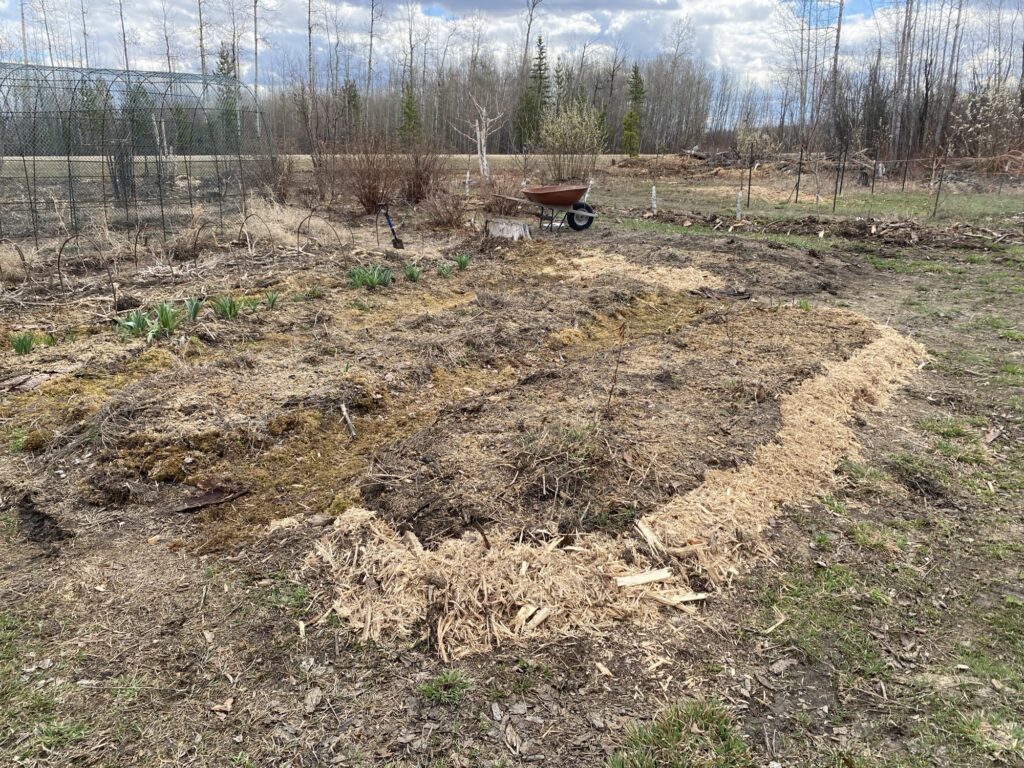
We rented a huge chipper and spent an exhausting weekend running everything we could through. It was actually quite satisfying! So that year gave me piles and piles of wood chips. I also had a huge pile of goat, horse and cow manure from my animals, so I had that too. So that year built up the ground. We scraped the ground with our neighbors skid steer, layered the mulch then made long beds with our manure and soil mix.
That was that year, a new beginning as before I was randomnly creating beds in the forest before we could clear it and they just weren’t working.
Not much growth the first year with that new set up, but it was like filling a jar with raw cabbage and salt water; we let it ferment and get all that microbial activity moving and building.
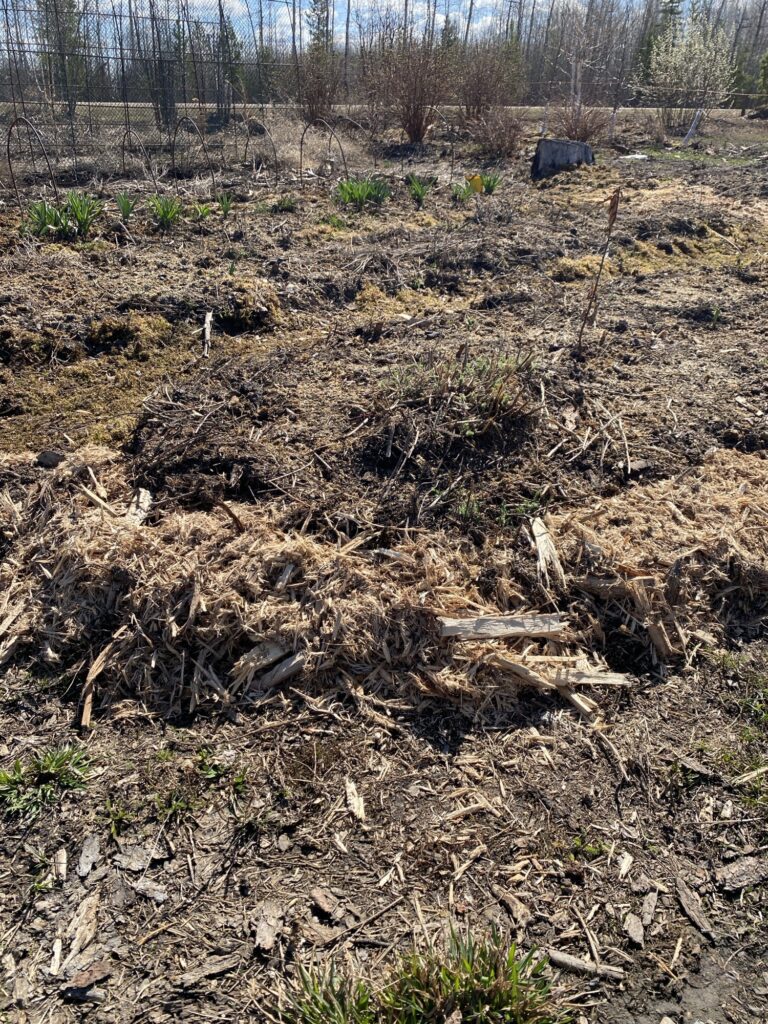
The following year I discovered moss. Lovely soft thick green moss deep within the cool forest. We process a load of firewood then I fill every nook and cranny of the truck bed with forest moss, bring it home and place it in the walk ways.
I also have a lot of low growing clover from a cover crop I planted and I let it grow to create root structure, draw nitrogen from the air, pull nutrients up from the soil, produce sugar when my veggies and flowers stop producing sugar to bloom. Clover throughout a garden is such an asset and has changed my view of weeds.
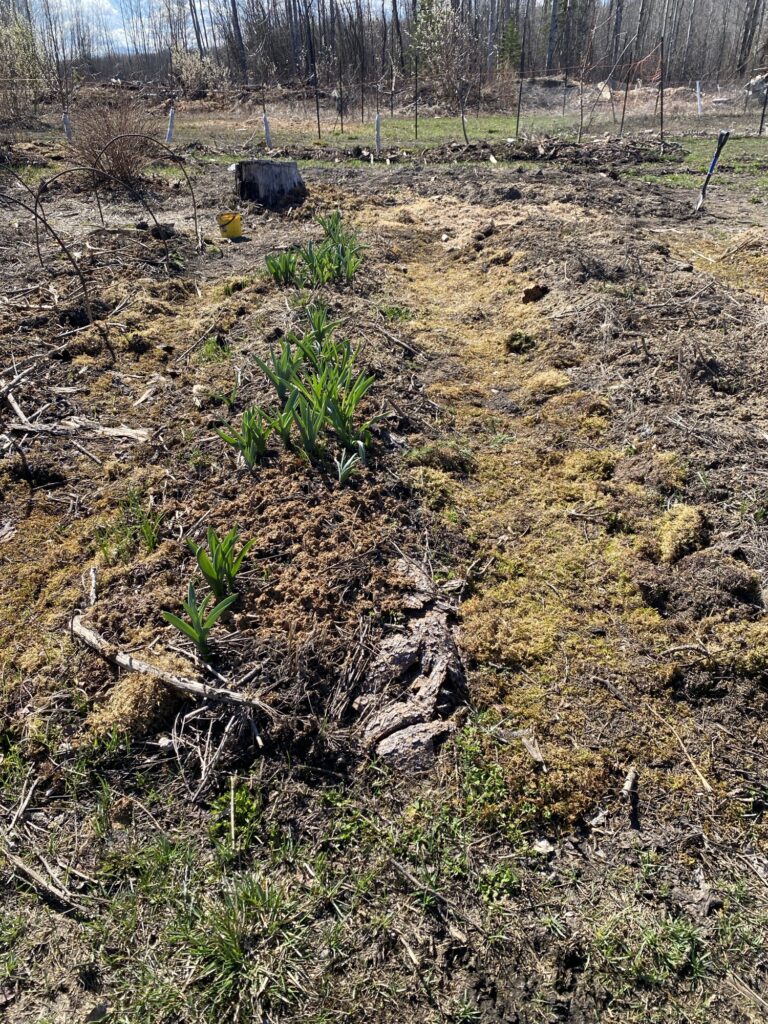
This year, our neighbor came over with a huge mulch machine and offered to clear more of our land. We weren’t expecting this lovely blessing but this year it gives me more light, more open space for animals one day and a ton of mulch. So this year I’m adding more moss to the walkways and edging my wild beds with mulch to keep weeds down and moisture in.
Each thing I do adds moisture, nutrients and builds soil life. I don’t weed or till because I don’t have access to a tiller and I don’t have time to weed, it’s also just impossible to keep a weed free garden. I am learning too that weeds actually correct the soil.
As I said, I have no water source other than rain. It is on our agenda to one day build a dugout/water reserve/ small pond, to draw water from.
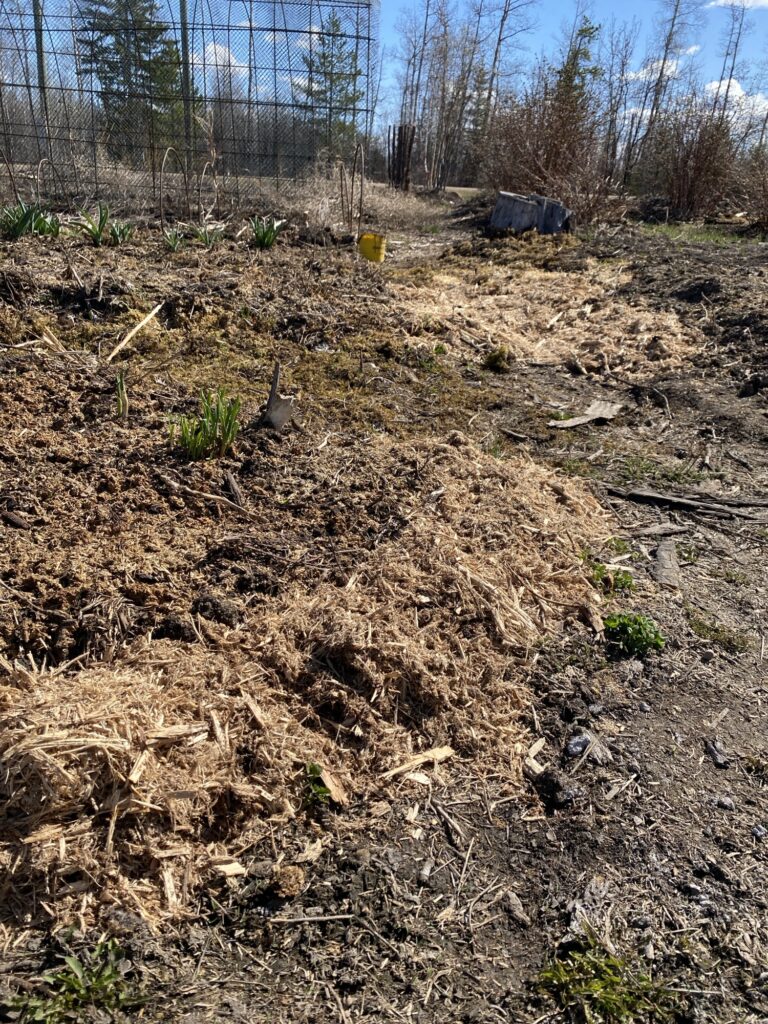
This is just a little insight into my particular gardening situation. Each year it improves and becomes less work and this year I decided to try seed inoculation to see if I can get better germination before too many weeds take over. Because that’s another thing I’m learning, claim the soil before the weeds do! When the weeds do arrive just chop n drop them. Over time their nutrients return to the soil and the weeds don’t show up as much because the soil is fully nourished.
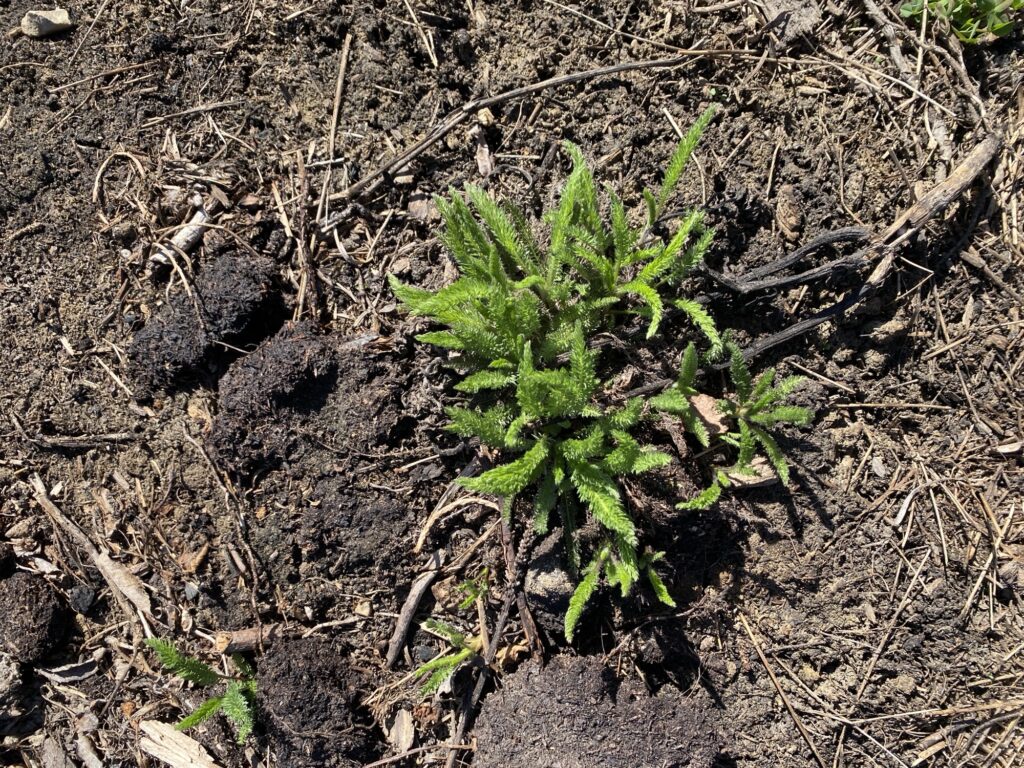
I plan to share a post about fertilizing, feeding soil life organically and planting to cover soil and attract beneficial insects. For today, let me get back to seed inoculation.
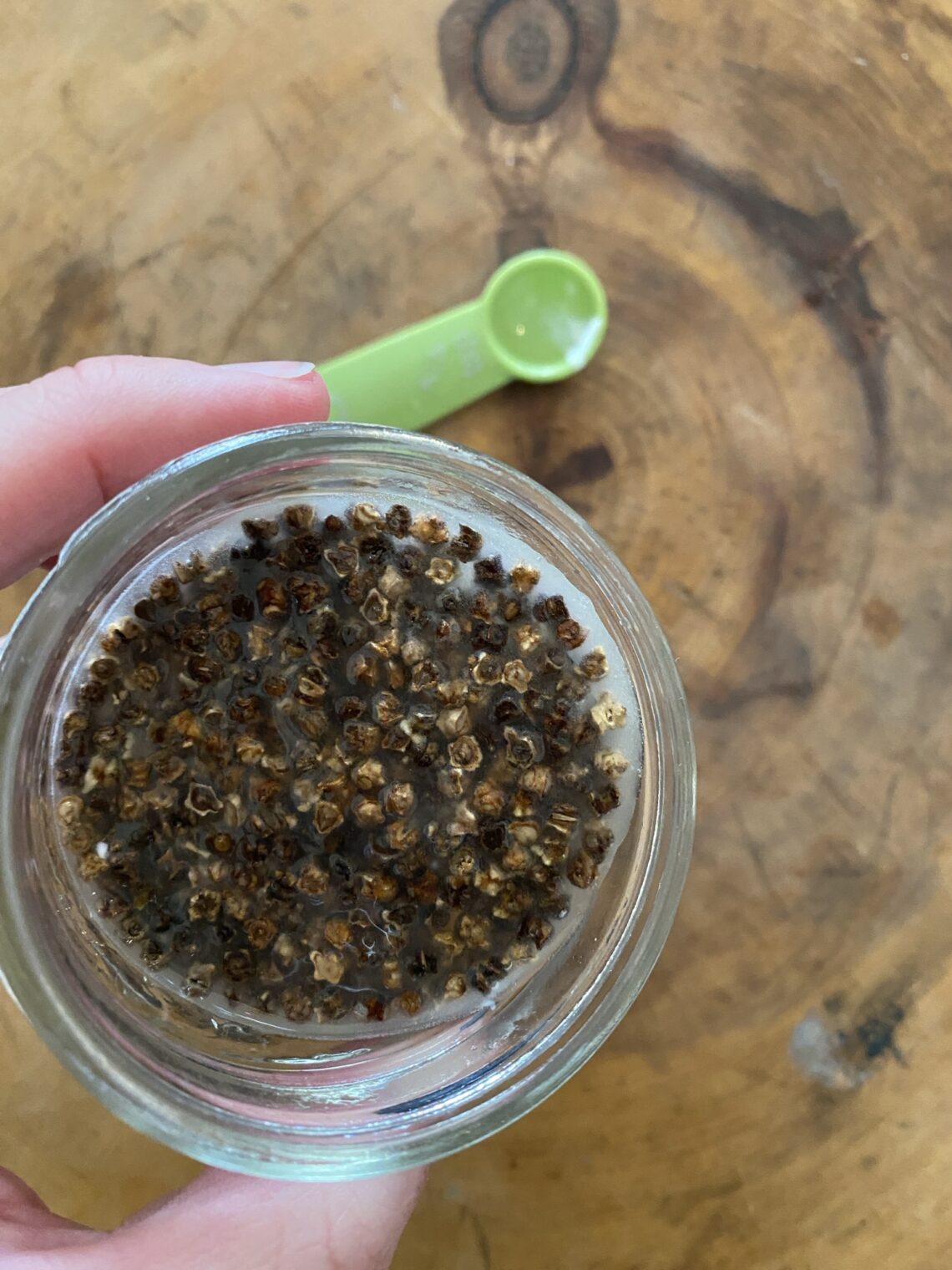
Seed inoculation is simply covering seeds in good bacteria before planting.
You can buy powdered seed inoculating bacteria, but I wanted to try doing this with things I had on hand. I also didn’t want to spend any more money for the garden this year, so here’s what I did.
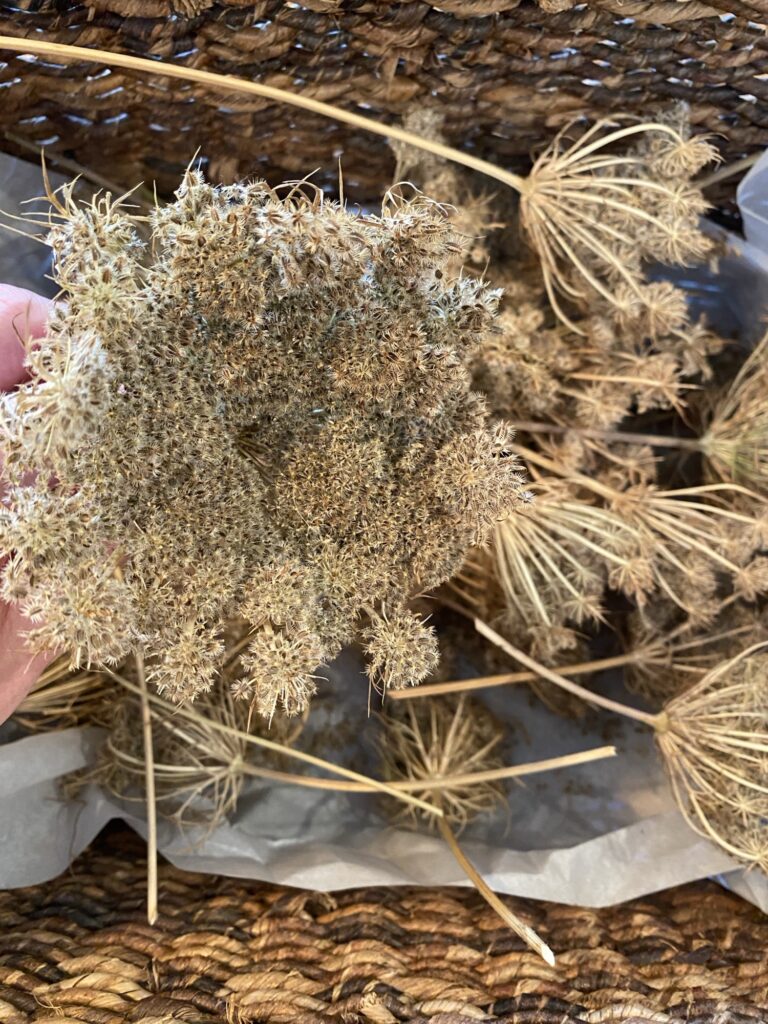
Seed Inoculation Ingredients
Yogurt or whey
Sugar
Filtered water
Seeds I’m trying this technique with are: beans, squash, sunflowers and beets. Smaller seeds like carrots, I’m just sprinkling on the soil and watering in with sugar and alfalfa to feed the soil. These are the things I’ve been able to grow in abundance here so they are what I focus on for planting and seed cultivation. This year I just bought onion bulb starts but I think this could work with onion seeds too.
Today I’m sharing how I do this with beet seeds as I’m in early May and am planting my cold weather crops first.
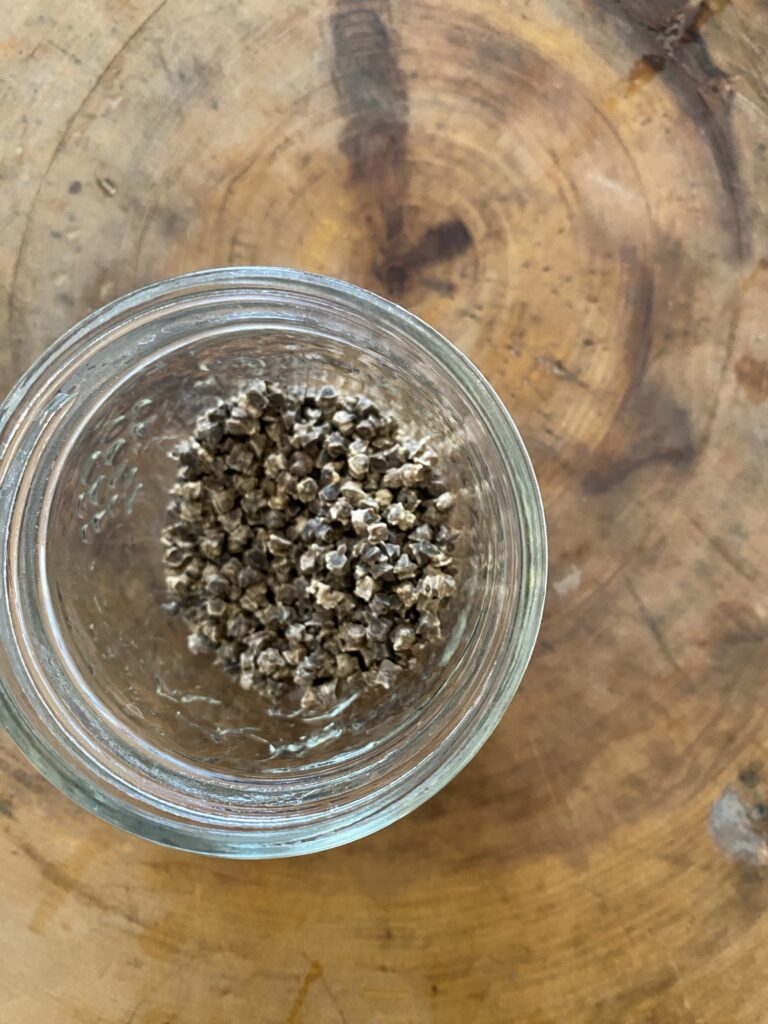
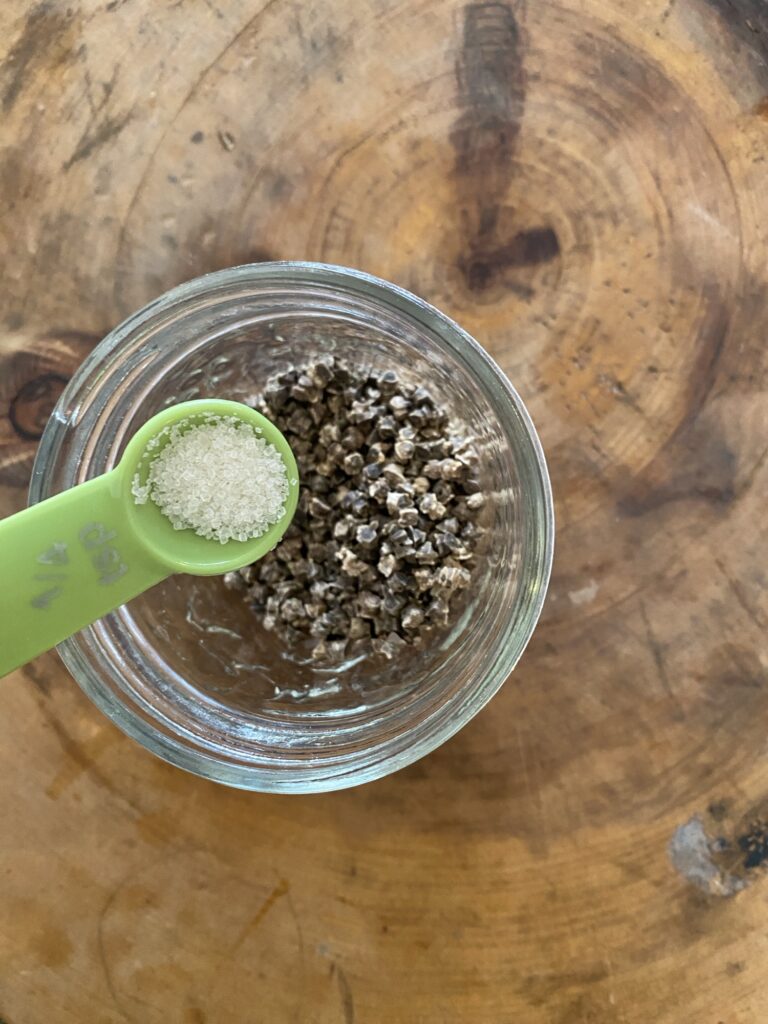
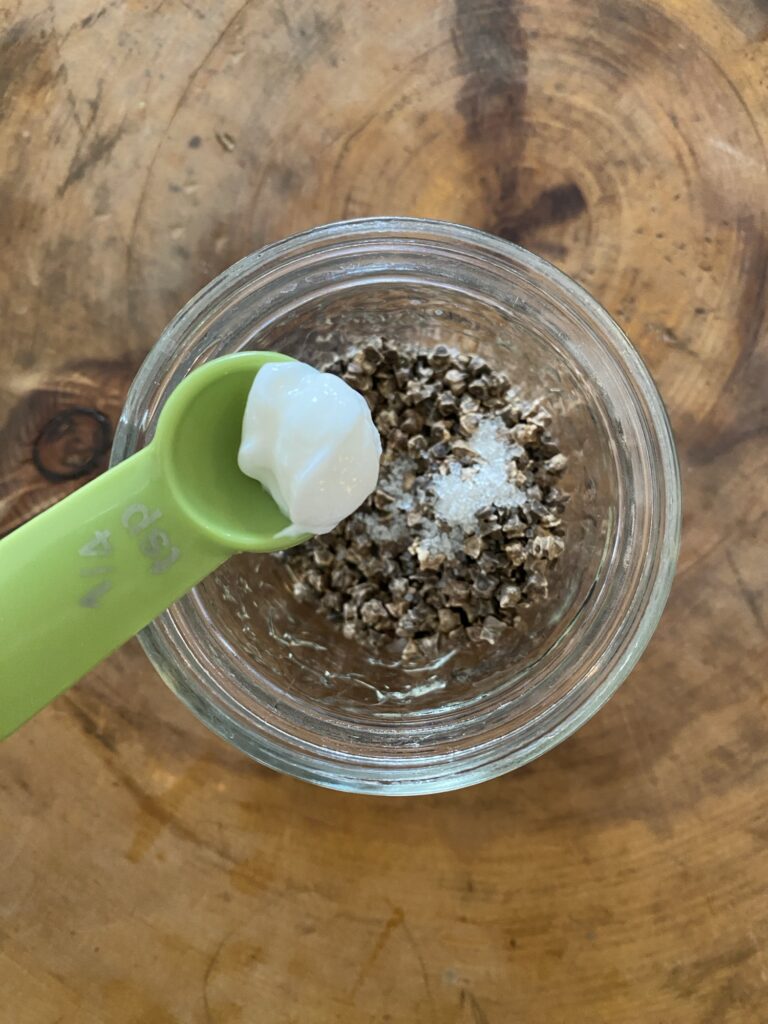
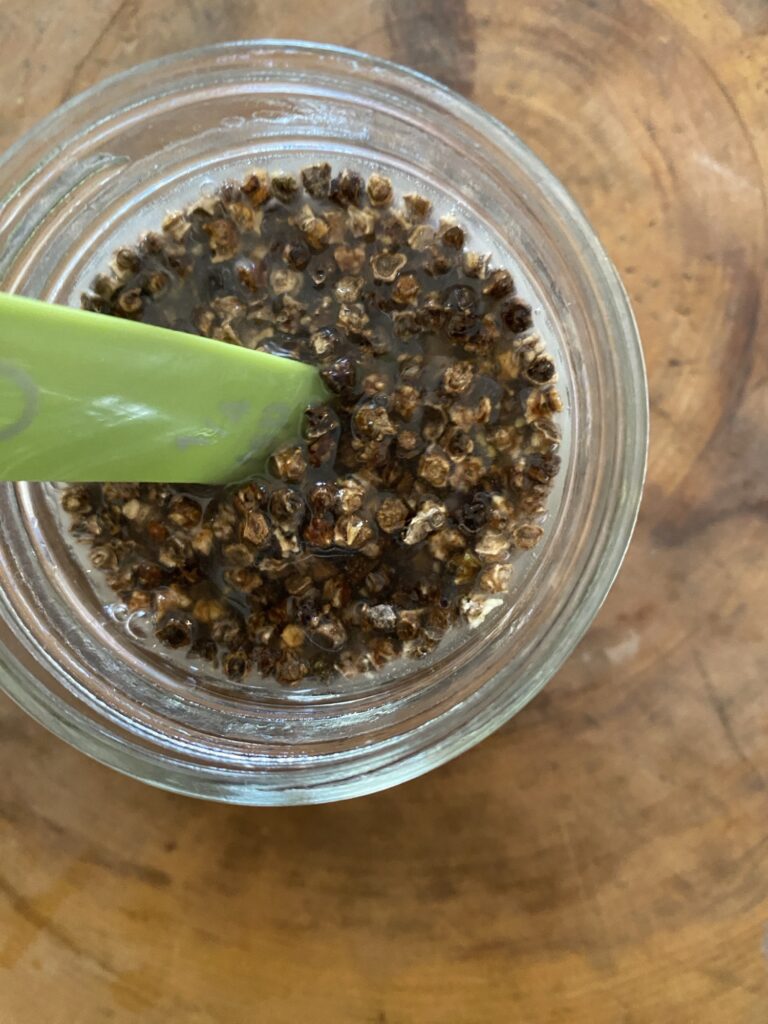
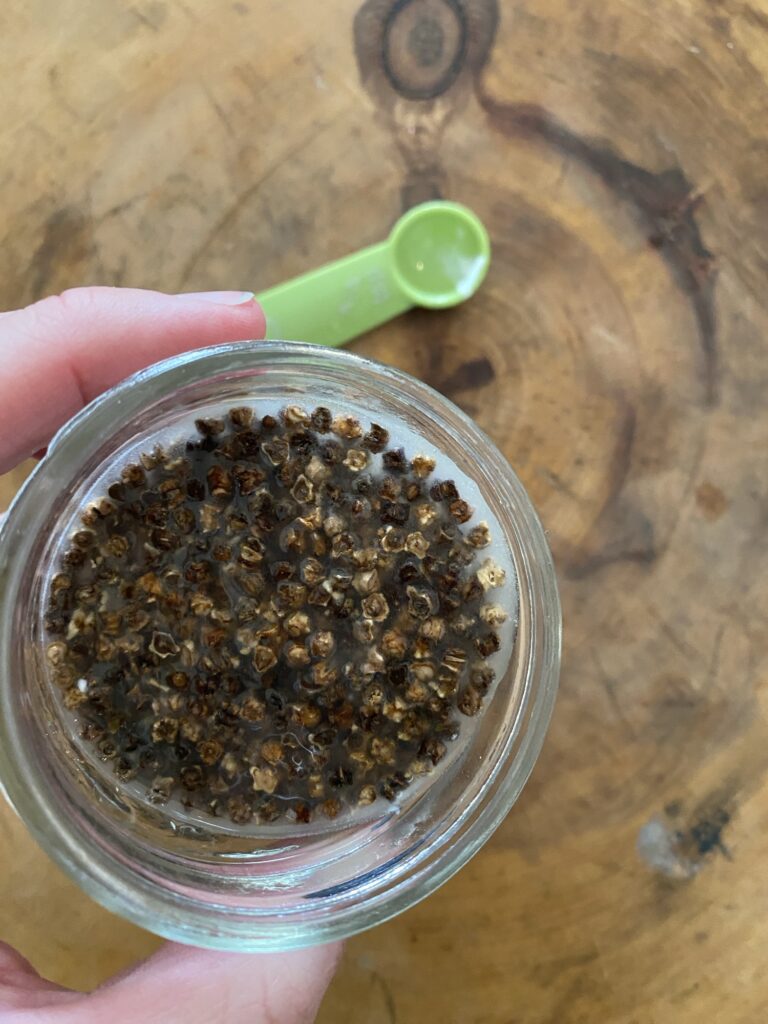
To plant, I just took my jar out and mixed my seeds with dry dirt to sort of “dry” them off and make them easier to plant. If you have water, water them in for faster germination, try to gain that ground before the weeds do:)
Warmest Blessings,
Ashley